
The Inner Game Methodology: Unlocking Natural Performance at Work
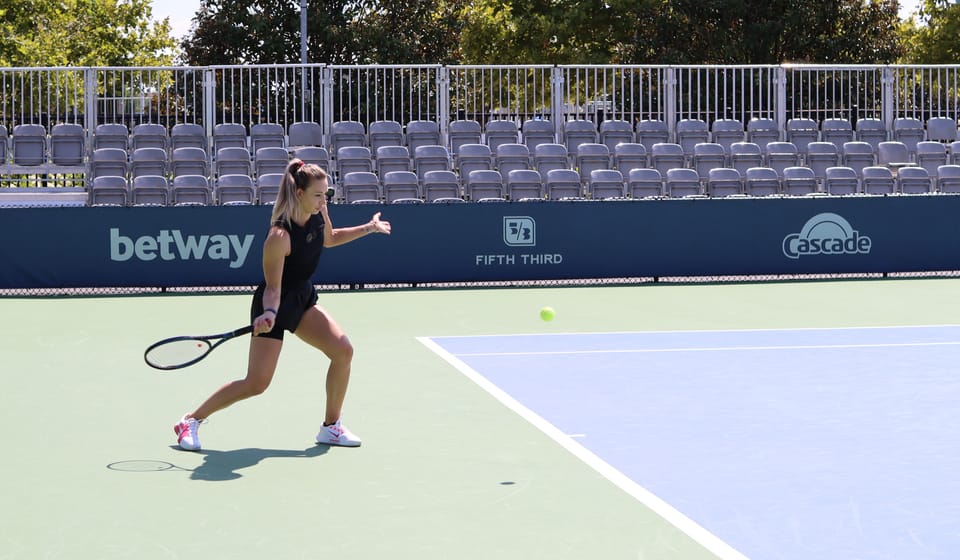
The Inner Game methodology, pioneered by W. Timothy Gallwey, originated in his seminal 1974 book The Inner Game of Tennis and was later adapted to professional and workplace contexts in The Inner Game of Work (2000). The core idea is that peak performance in any activity—sports, work, learning, or life—depends less on external technique or effort and more on mastering the "inner game": the mental and emotional dynamics within yourself.
Gallwey discovered that every endeavor has two games:
- Outer game: The external competition—opponents, goals, skills, results (e.g., hitting the ball accurately in tennis or meeting deadlines at work).
- Inner game: The internal battle against self-imposed obstacles like doubt, judgment, overthinking, fear, and tension.
The inner game is often neglected, yet it's where real breakthroughs happen. The methodology shifts focus from "trying harder" (which increases interference) to reducing internal barriers so natural abilities can flow.
Key Principle: Self 1 and Self 2
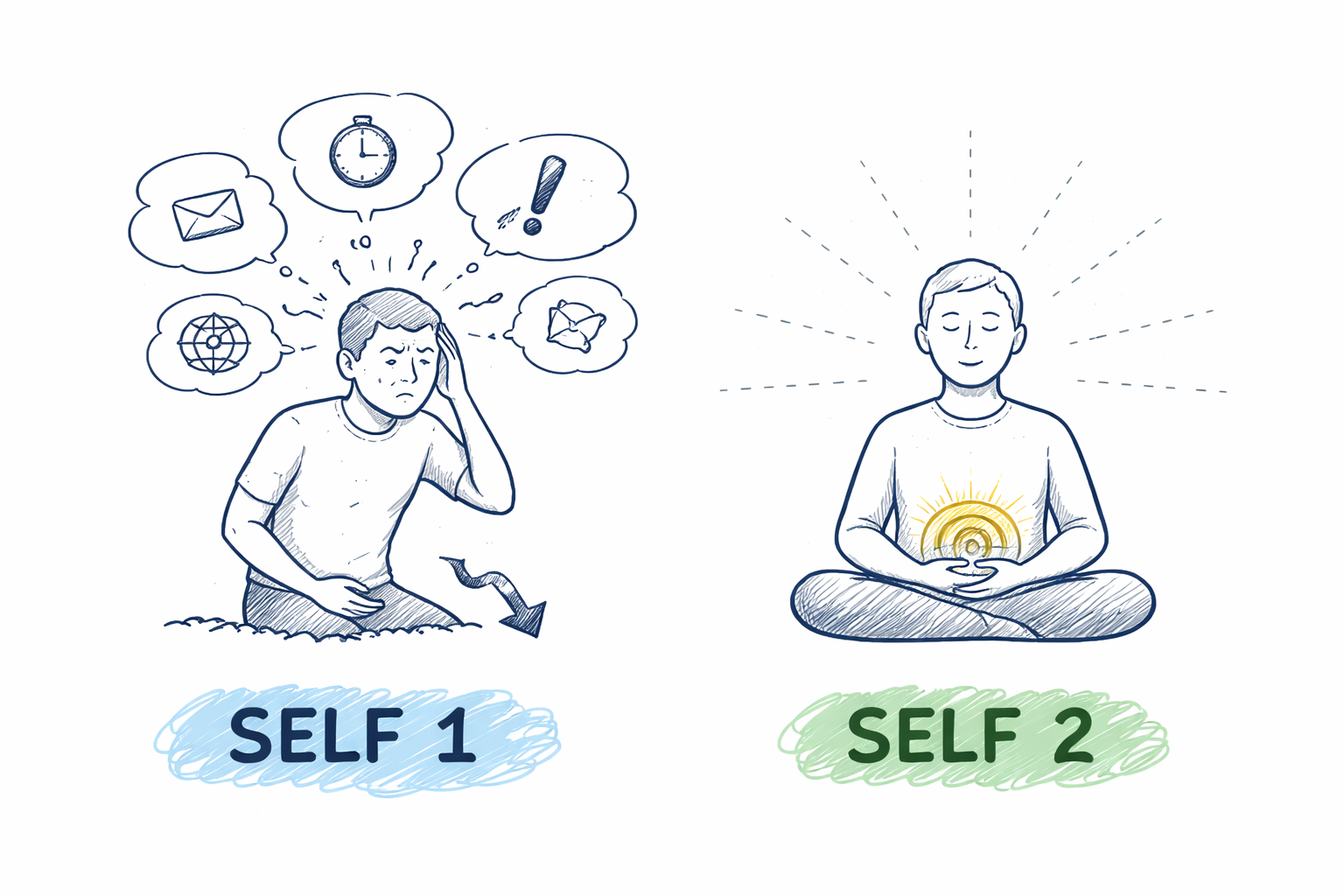
Gallwey discovered that inside each of us are two distinct "selves":
- Self 1: The conscious, critical mind—the "teller." It judges, instructs, worries, analyzes, and tries to control everything ("Do it right," "Don't fail," "Hurry up"). In excess, Self 1 creates interference through self-criticism, perfectionism, and overcontrol.
- Self 2 — The unconscious, intuitive "doer"—your innate body-mind wisdom, coordination, creativity, and learning capacity. Self 2 already knows how to perform at high levels when trusted; it operates best in flow states without micromanagement.
The breakthrough: Peak performance isn't about trying harder (Self 1's default). It's about reducing Self 1 interference so Self 2 can emerge. Gallwey expressed this in a simple formula:
Key Principle: The Performance Formula
Performance = Potential - Interference
- Potential includes your skills, creativity, and growth capacity.
- Interference is self-imposed: judgment, doubt, tension, overtrying. The goal isn't to increase potential through force—it's to minimize interference for effortless, high-level output.
Key Principle: Awareness-Choice-Trust Triad (Core Skills)
Gallwey's approach boils down to three interconnected skills, often called the Awareness-Choice-Trust triad:
- Non-Judgmental Awareness - Observe what's happening inside and outside without labeling it "good" or "bad." Instead of criticizing ("I'm terrible at this presentation"), simply notice ("My shoulders are tight, my mind is racing"). Awareness itself begins to dissolve interference.
- Choice of Focus / Attention - Deliberately direct relaxed concentration to relevant details in the present moment (e.g., the feel of the racket, breath during stress, one aspect of a task). This bypasses Self 1 chatter and anchors you.
- Trust in Self 2 - Let go of control and trust your natural abilities to respond. This "letting it happen" unlocks flow, creativity, and enjoyment.
From Tennis to Work (The Inner Game of Work)
Gallwey extended the principles beyond sports to knowledge work, leadership, and organizational change. In modern workplaces—full of deadlines, metrics, change, and "always-on" pressure—Self 1 interference shows up as burnout, procrastination, disengagement, or forced productivity. The book redefines work as:
- A process of growing capabilities while producing results.
- An opportunity for sharpening skills, increasing pleasure, and heightening awareness—no matter how routine the job.
Key applications include:
- Rethinking motivation (work freely, without "have to").
- Coaching/leadership: Focus on reducing interference rather than instructing/fixing.
- Balancing Performance (results), Learning (growth), and Enjoyment (satisfaction) in daily experience.
- Navigating change (technology, reorganization) by steering internally.
Why This Matters for Modern Work
The methodology promotes "working free": less self-sabotage, more natural momentum, and sustainable high performance through inner clarity rather than external pressure. By quieting the inner critic and trusting your natural flow, you access more of your potential—leading to sustained performance momentum, self-led engagement, and balanced fulfillment.
Today's knowledge work amplifies Self 1 interference—constant notifications, performance metrics, remote isolation, and "always-on" culture. The result? Burnout, procrastination, disengagement.
How We Apply It at Work Reframe
At Work Reframe, we bring these principles into practical, everyday use for professionals seeking to reframe their work experience.
- Work Frame Assessment ($49 one-time): A quick 10-minute snapshot that reveals where Self 1 interference shows up most in your triad of Performance, Learning, and Enjoyment. It provides personalized insights—no personality typing or "fixing" required—just clear awareness to guide your next steps.
- Work Reframe Prompts ($89/year after 7-day free trial): One daily SMS note—rooted directly in Inner Game principles—to build the habit in real time. Each prompt helps you:
- Spot Self 1 chatter without judgment.
- Practice non-judgmental awareness of interference.
- Choose attention deliberately in the moment.
- Trust Self 2 in small, everyday work actions.
- The Inner Game Methodology Workshop: As a certified facilitator trained and authorized by The Inner Game Institute (by Tim Gallwey), I deliver this official introductory program. It's an interactive deep dive (typically 15+ hours, online or in-person) into the full methodology—exploring Self 1/Self 2 dynamics, interference reduction, the Awareness-Choice-Trust triad, and practical applications to work performance, learning, and enjoyment. Ideal for individuals, leaders, or small teams ready to move into facilitated practice and group exploration.
Whether you start with a quick assessment, build daily awareness through prompts, or immerse in the full workshop, the goal remains the same: reduce inner interference so your natural potential can show up more consistently at work.