Great Coaching Develops the Whole Performer, Not Just Performance.
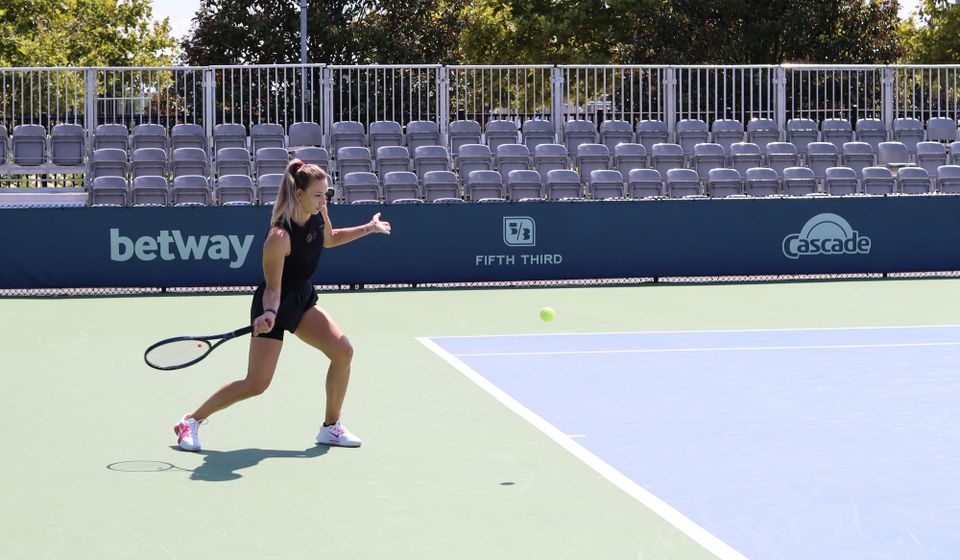
I recently started taking a USTA coaching course, and one idea has stayed with me long after I closed my laptop.
The goal of coaching isn't simply to develop better tennis players.
It's to develop self-developing athletes.
That phrase stopped me.
Because I don't think it's just true in sports.
I think it's the future of leadership.
Most organizations develop competence.
The best organizations develop people who know how to develop themselves.
Think about how most of us learned at work.
Attend a workshop.
Complete the training.
Receive feedback from your manager.
Repeat.
Growth becomes something that's done to us.
But what happens when the workshop ends?
When the coach isn't standing beside us?
When our manager is busy with their own priorities?
Too often, development stops.
Not because people don't care.
Because they've never learned how to coach themselves.
The best coaches create independence.
Tim Gallwey, author of The Inner Game of Tennis, believed that the ultimate purpose of coaching wasn't to make athletes dependent on a coach.
It was to help them become aware of what was happening inside themselves so they could make better decisions on their own.
That's a very different definition of success.
A great coach isn't measured by how much improvement happens during a lesson.
A great coach is measured by how much improvement continues after the lesson is over.
The same is true at work.
The workplace needs fewer experts with answers...
...and more people who know how to learn.
The pace of work has changed.
Technology changes.
Organizations change.
Roles change.
The leaders who thrive won't be the ones who have all the answers.
They'll be the ones who continually ask better questions.
- What am I noticing?
- What assumptions am I making?
- What's getting in my way?
- What can I learn from this experience?
- What will I do differently next time?
Those aren't coaching questions.
They're self-coaching questions.
This is why reflection matters.
We often think experience creates wisdom.
It doesn't.
Reflection creates wisdom.
Two people can have the same experience.
One repeats the same mistakes for ten years.
The other learns something new every week.
The difference isn't experience.
It's the habit of paying attention.
That's why I've become increasingly interested in simple daily practices that help people pause, reflect, and reframe their work.
Not because they need more information.
Because they need more awareness.
The real goal of coaching
Whether we're coaching athletes, leaders, or teams, perhaps we've been measuring success the wrong way.
Instead of asking:
"Did they perform better today?"
Maybe we should ask:
"Did they leave with the ability to improve tomorrow?"
That's a much higher standard.
And I believe it's the one that matters most.
Because the greatest coaches don't simply improve performance.
They develop people who become their own coaches.
They cultivate the one capability that never becomes obsolete:
The ability to keep learning.