
Reframe Team Performance.
Start by Understanding the Lived Experience of Work.
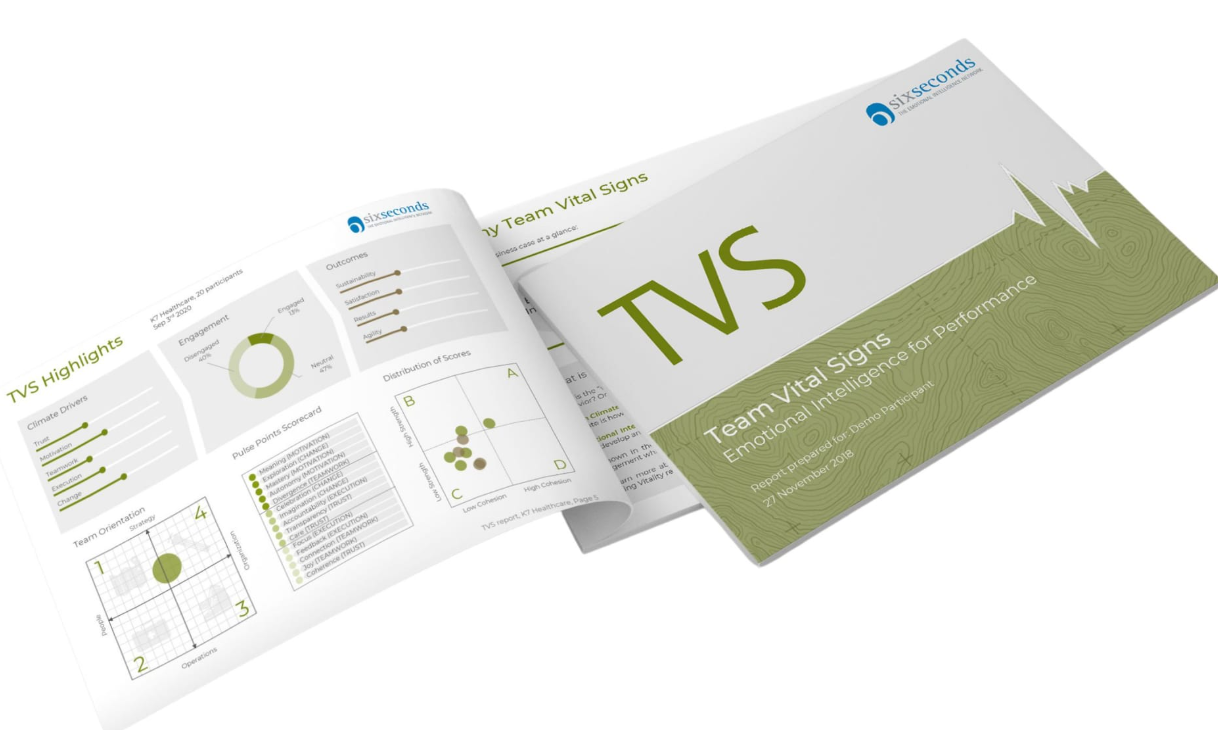
Through the Team Vital Signs assessment, you will move beyond the metrics and assumptions to truly understand how your team experiences work—unlocking sustainable performance gains.

Self-led engagement is always personal.
But team climate determines whether it can emerge, scale, and sustain.
Climate is a summary of how people feel about working within a particular culture. In a healthy climate, people can take ownership without getting penalized. They can speak up, ask for clarity, learn in public, and recover from mistakes without fear. In a corrosive climate, people may still be capable — but they become cautious. They conserve energy. They do the safe version of the job. They stop investing discretionary effort because the environment teaches them it isn’t safe or valued.
What managers actually control
Managers don’t create engagement directly. People decide how much of themselves they bring to work. What managers do control are the conditions that signal whether that investment is safe, useful, and worth sustaining.
What matters, what “good” looks like, and how work connects to real outcomes.
Whether questions, dissent, and learning in public are welcomed or quietly punished.
Signals that help people adjust and improve, rather than defend or disengage.
Whether intensity is balanced with space to think, learn, and regain energy.
When these conditions are steady, self-led engagement emerges naturally. When they’re inconsistent, even capable people begin to conserve energy and play it safe.
Before you improve the conditions, see them clearly
Most teams try to “fix” culture and engagement from the outside in — with new initiatives, new rituals, and more communication. Sometimes that helps. Often it adds activity without changing the lived experience of work.
The more reliable starting point is simpler: understand the way it is right now. Not as a story. As a set of signals — what’s steady, what’s inconsistent, and where effort is leaking.
Team Vital Signs gives you a clear read on how the team experiences the environment — not just output.
It points to the few conditions that shape everything else — the levers most likely to change day-to-day work.
Instead of generic recommendations, you get a practical starting point for action, conversation, and follow-through.
When the current climate becomes visible, improvement gets easier to target — and easier to sustain. That’s the role of Team Vital Signs: a lens for seeing the conditions that shape performance, learning, and energy on the team.
Interested in seeing this on your team?
Team Vital Signs is designed to help managers see the conditions shaping performance, learning, and energy — and focus attention on the few improvements that matter most. If you’re exploring better ways to understand and improve how work actually feels on your team, we can start with a conversation.
Express interest