

Give New Leaders a Clear Start.
New leaders don’t inherit blank slates. They step into existing conditions that quietly shape how work gets done.
Some conditions are visible—goals, roles, priorities. Others sit beneath the surface: trust, pressure, decision habits, and how people actually experience the work. When those signals are visible early, leaders can orient faster and lead with confidence from the start.
Leadership transitions are high-risk, high-leverage moments.
The numbers look clear. The conditions rarely are.
New leaders have no shortage of performance data. What they lack is early visibility into team climate — even though it can drive up to 70% of performance outcomes.
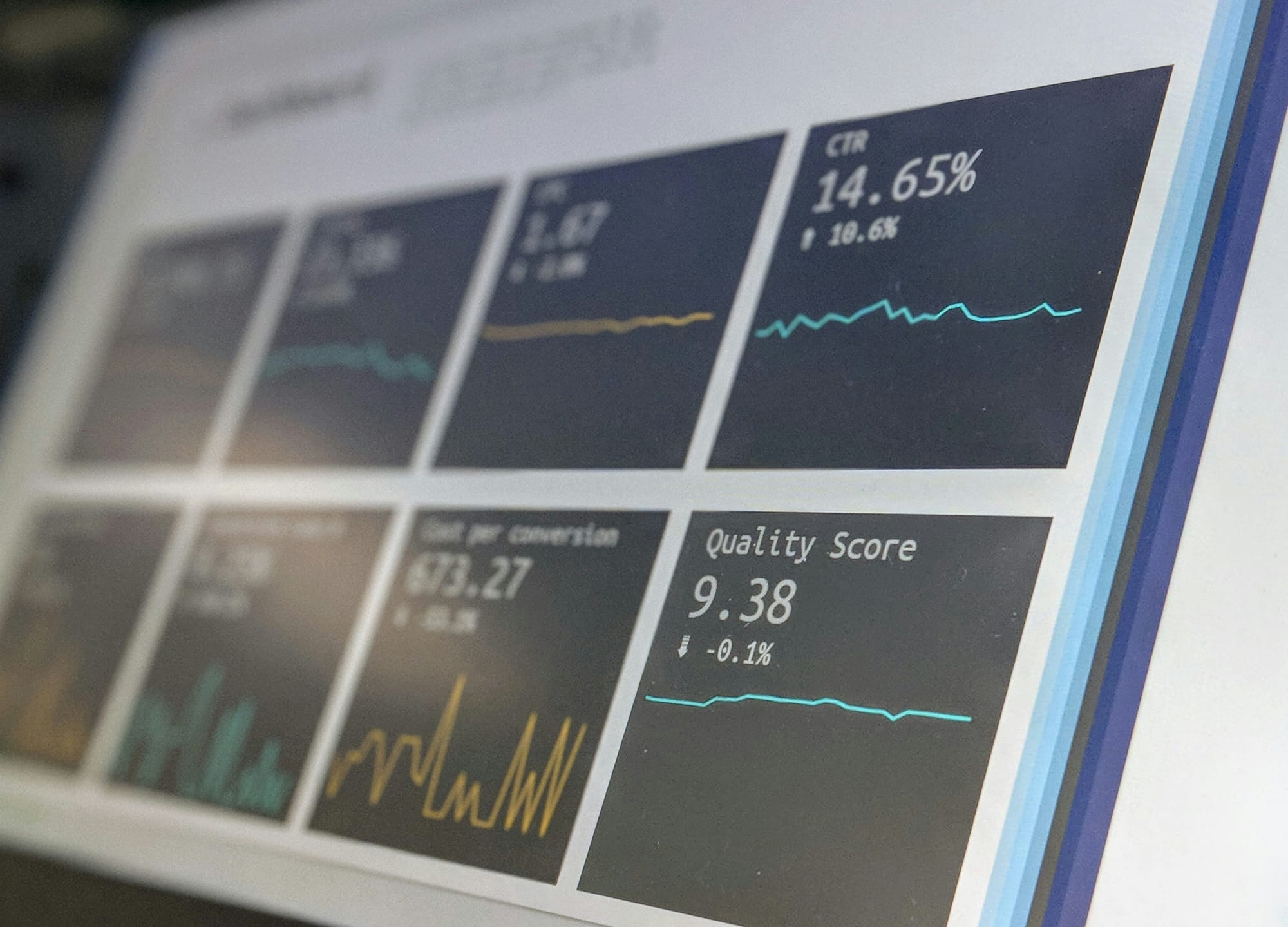
Team Vital Signs is the lens new leaders need.
Before you set out to change priorities, processes, or people, you need a clear view of the conditions shaping how the team is actually working. Team Vital Signs doesn’t evaluate performance. It reveals current feelings or perceptions employees have about their workplace.
The result isn’t a report to add to onboboaring materials. It’s a shared reference point for better leadership action in the first 30–90 days